Clamming on the Oregon Coast: A Central Coast How-To Guide
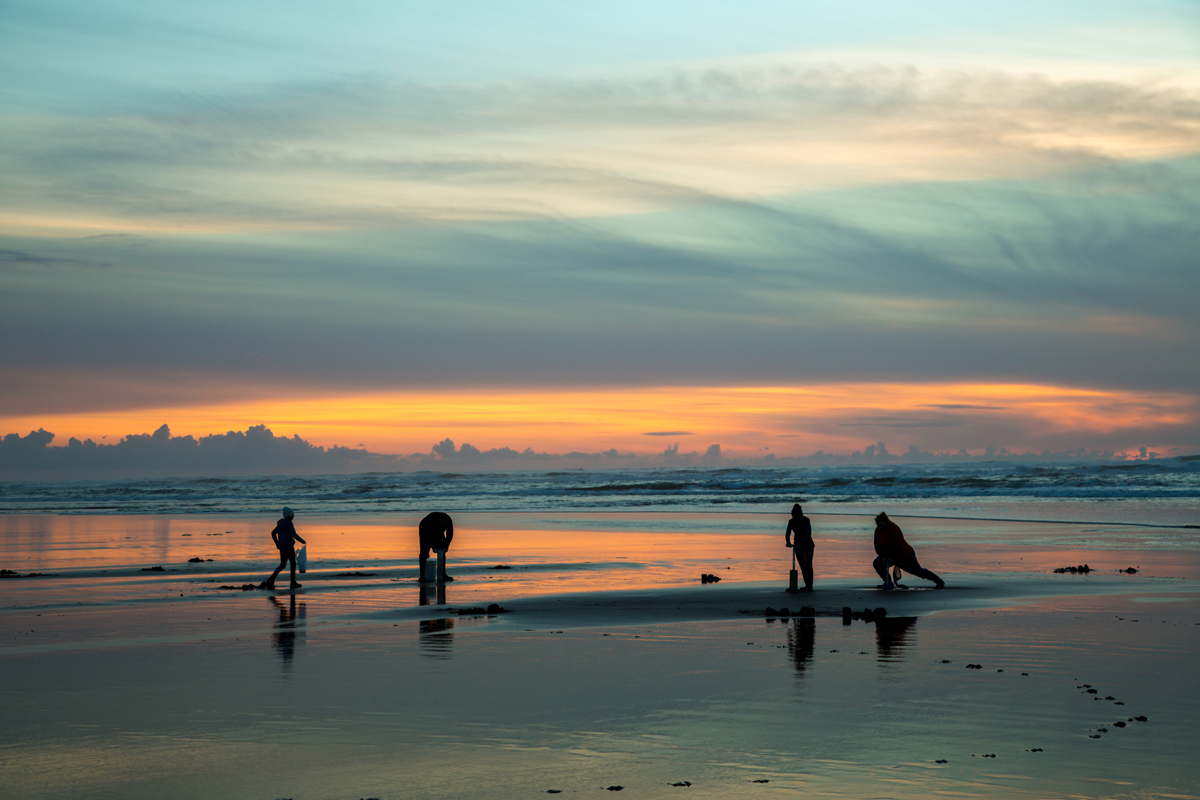
At first light on a minus tide, the beach near Yachats looks scrubbed clean. The water has pulled back hundreds of feet, the sand is firm and dark, and a few early diggers are already bent over their buckets, watching for the small dimple that gives a clam away.
Clam digging on the Central Oregon Coast rewards people who pay attention to the tide more than the clock. The state’s estuaries and open beaches hold some of the most accessible shellfish digging in the country, and the Central Coast around Yachats puts a clammer within a short drive of several productive bays. There are two games to learn here: bay clams in the calm estuaries and razor clams out on the surf-swept beaches. Our guide covers when to go, where to dig near Yachats, what the trip takes and how to get the catch home.
Bay Clams vs. Razor Clams: Two Different Trips
Clam digging in Oregon offers two different options: bay clams and razor clams.
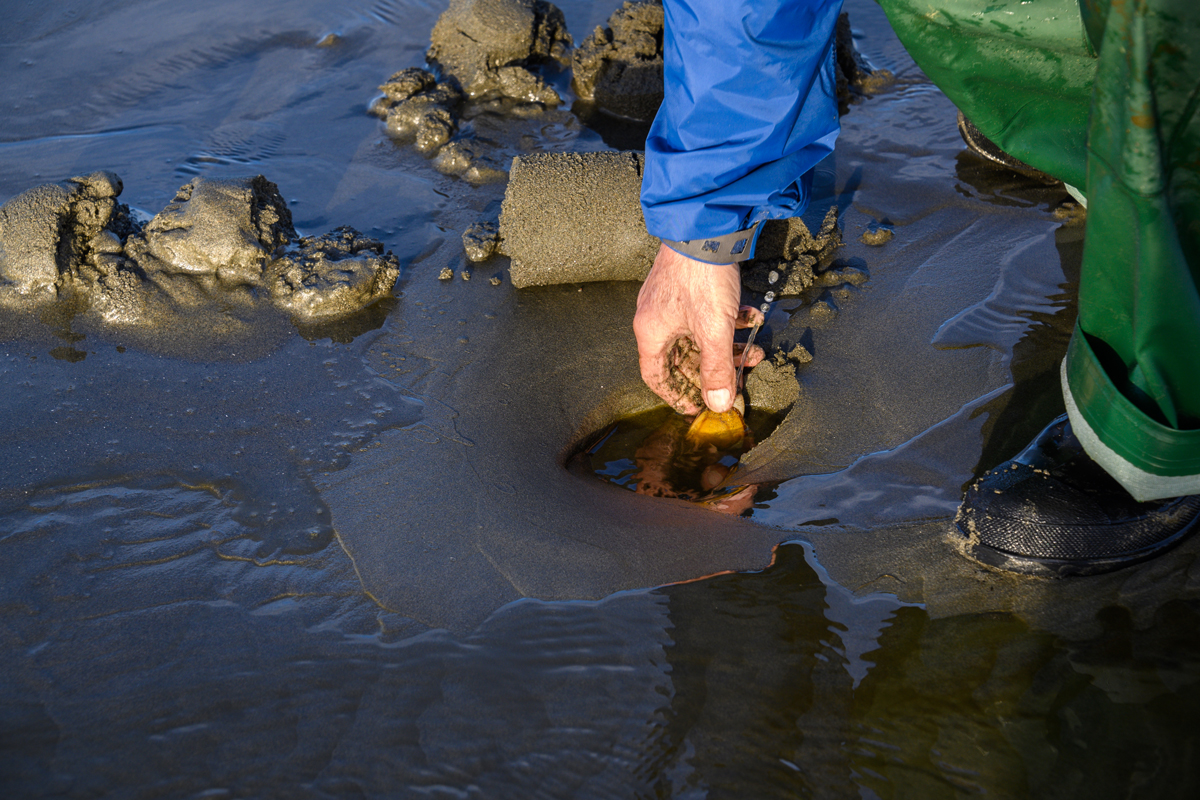
Bay clams live in the mud and gravel of estuaries and include gaper, butter, cockle, littleneck, softshell and purple varnish clams. To find them, clammers walk the exposed tidal flats at low tide, look for siphon holes in the sand and then dig by hand or with a short shovel near those holes. Gapers, known for the gape in the neck of their shell, burrow deep, while cockles sit closer to the surface.
Bay flats are calmer, making the experience perfect for families and pets. The flats are also open most of the year.
How to Find Razor Clams on the Beach
Razor clams live on flat, open-ocean beaches in the surf zone. They give themselves away with what’s called a “show.”
As a clam draws its neck below the surface, it “shows” a small dimple or a tiny hole in the wet sand. Most diggers scan the sand a few feet ahead, and some tap a shovel handle or stomp nearby to startle clams into showing. The clam digger sets a clam gun or narrow shovel just to the seaward side of the show, works down quickly, then reaches in to feel for the shell.
In Oregon, razor clamming is more weather-dependent and follows seasonal closures, especially on beaches north of Seaside, that bay digging does not. Razor clam digging also requires a bit more planning and a willingness to drive north of the Yachats area.
When to Go: Clamming Season in Oregon
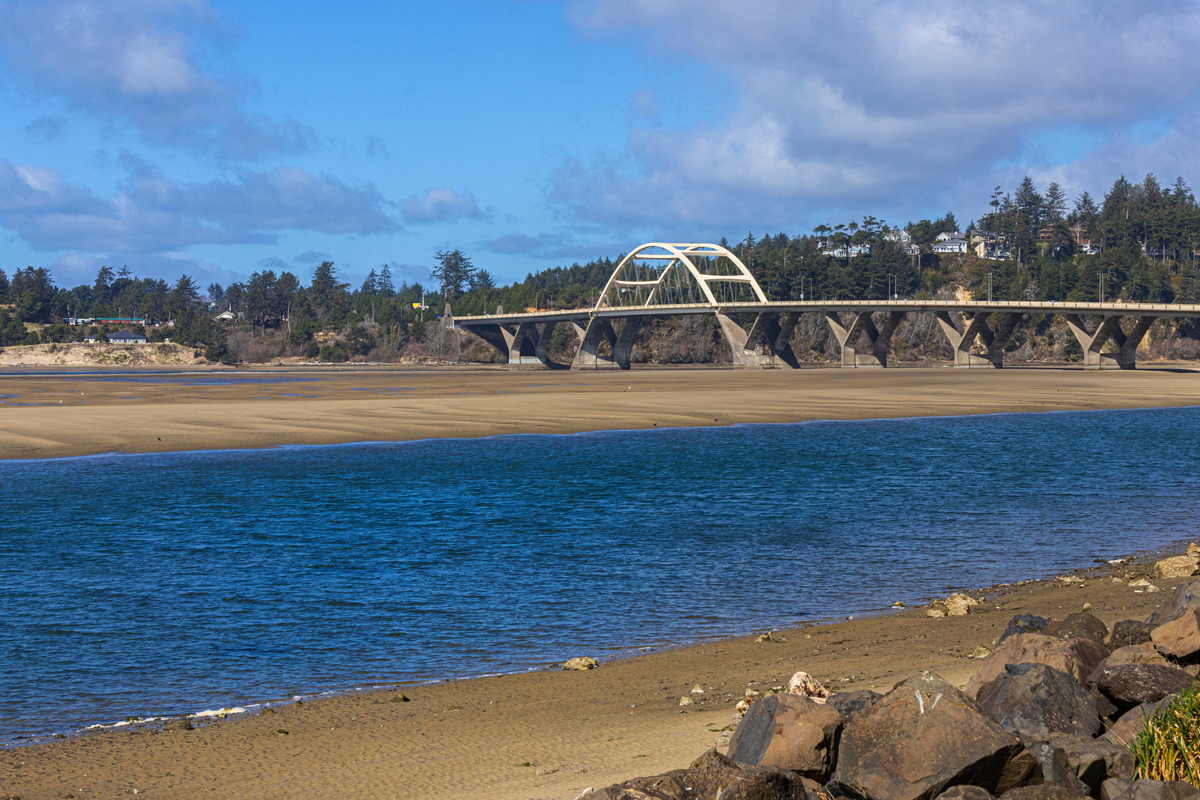
Bay clam digging is essentially year-round on the Oregon Coast, though it is always subject to health closures. The state periodically closes estuaries when biotoxin levels rise, so the season is less about the calendar and more about checking conditions before a trip.
Razor clams follow a stricter rhythm. The Oregon razor clam season on the central and southern coast beaches can open and close on their own schedules. Because dates shift, it’s best to confirm the current season dates with the Oregon Department of Fish and Wildlife before heading out. Tide timing matters the most: the lowest tides of the month, especially negative tides, expose the most sand and produce the best digging opportunities.
Where to Go on the Central Coast
The Central Coast is bay-clam country, and Yachats sits within easy reach of three productive estuaries.
- Alsea Bay, in Waldport about 15 minutes north, is the closest. Its broad tidal flats are a friendly place to learn, with parking and beach access near the bridge.
- Yaquina Bay, in Newport roughly 25 minutes north, offers some of the most popular bay clamming on the coast, with flats reachable from the south jetty area.
- Siuslaw Bay, in Florence about 25 minutes south, rounds out the local options with extensive flats along the estuary.
Razor clammers face a longer haul. While Agate Beach near Newport is home to razor clams, the Central Coast population is not as consistent compared to what’s found on beaches farther north in Clatsop County.
Licenses and Limits
Oregon requires a shellfish license for clam digging. Pick one up online or from license vendors through the Oregon Department of Fish and Wildlife.
Daily catch limits vary by species and by clam type, and both the limits and the digging rules are set by ODFW and updated regularly. Clammers should always check the current shellfish regulations and the weekly recreation report before a trip. The same resources flag any active closures.
What to Bring
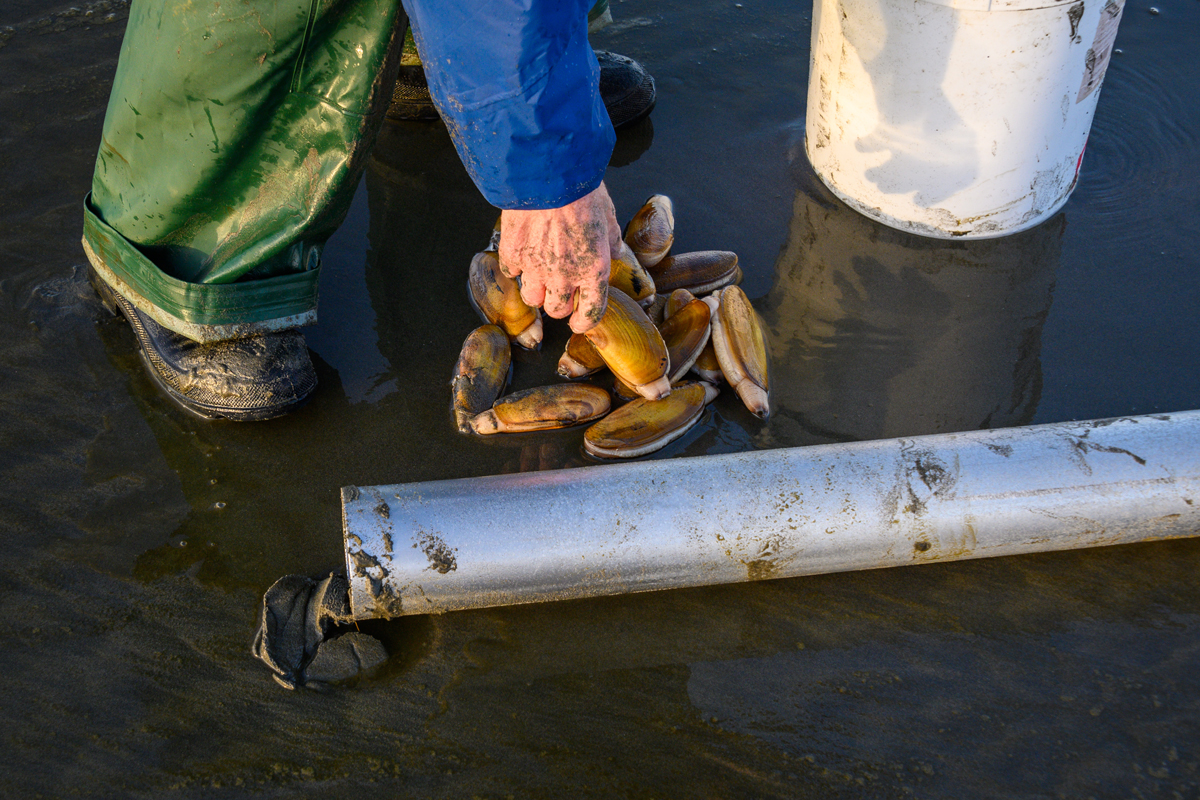
The gear list is short and practical. For bay clams, a clam shovel or clam gun, a bucket or mesh bag, and a sturdy pair of gloves cover the basics, and a four-tined rake helps with cockles, which sit near the surface.
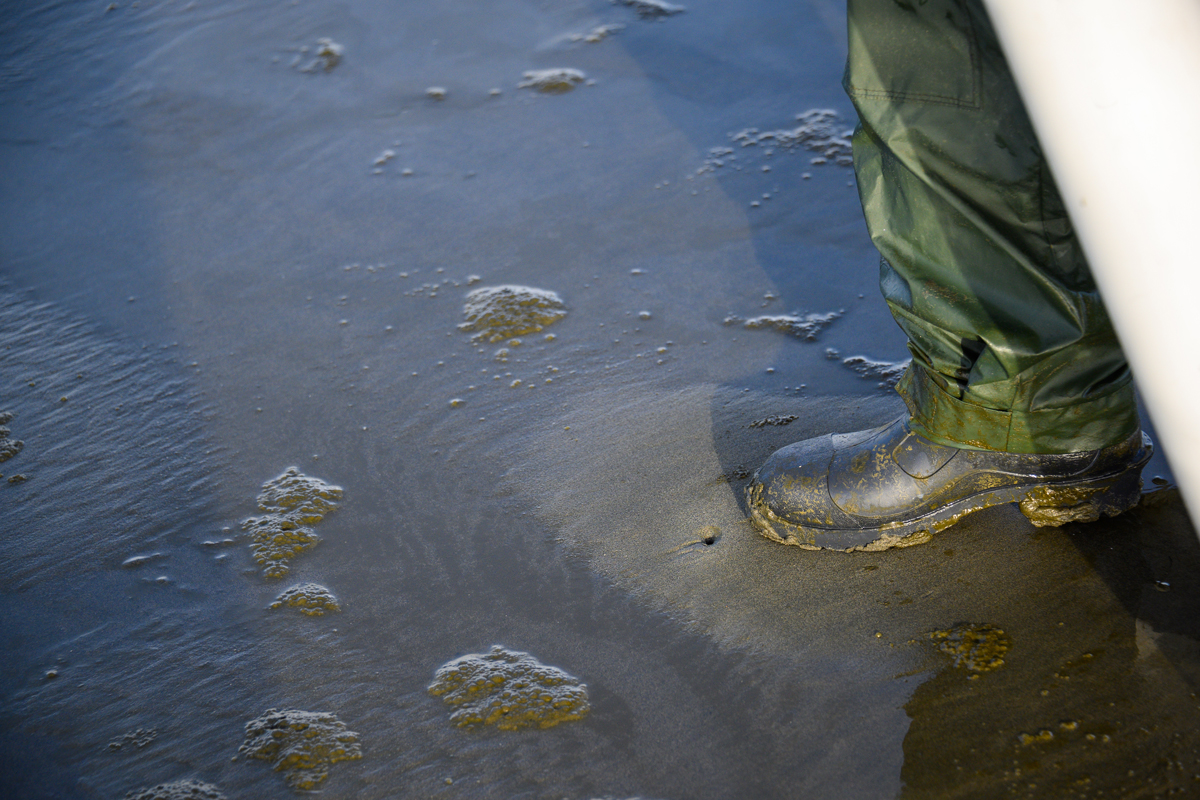
For razor clams, a clam gun or narrow clam shovel is the standard tool. Either way, the trip goes better with rubber boots or waders, since the best digging happens in wet, ankle-deep sand. Wear gloves to protect against the “razor” sharp shells.
Layers and a waterproof jacket handle the coast’s changeable weather, and a printed or downloaded tide chart is as essential as any tool. A current shellfish license rounds out the list.
How to Clean and Transport Your Catch
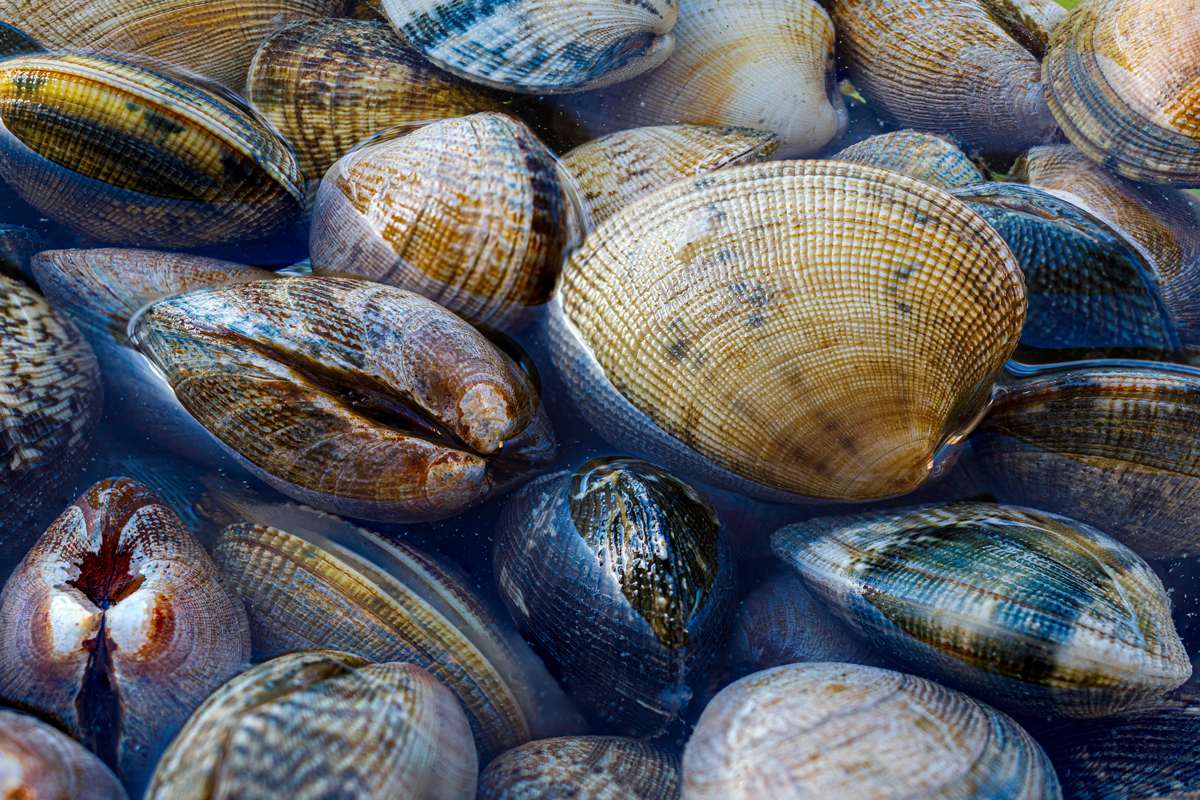
Clams travel best alive and cool. Soak bay clams in cold seawater for about 30 minutes so they expel any sand before cooking. This keeps grit out of your chowder. To carry the catch home, keep clams in a breathable bag in the coldest part of a cooler, set atop a bag of ice rather than directly on it, and covered with a damp towel. Live clams generally keep a day or two in the refrigerator stored the same way. Razor clams need to be shucked and cleaned before cooking.
Where to Eat Oregon Coast Clams Locally
Not every trip ends with a full bucket, and Yachats makes that easy to forgive. Luna Sea Fish House serves fresh, locally caught seafood and runs its own fish market, while the Drift Inn is a reliable stop for a bowl of chowder. For more ideas around town, see the guide to the best places to eat in Yachats.
Plan Your Clam Digging Adventure in Yachats
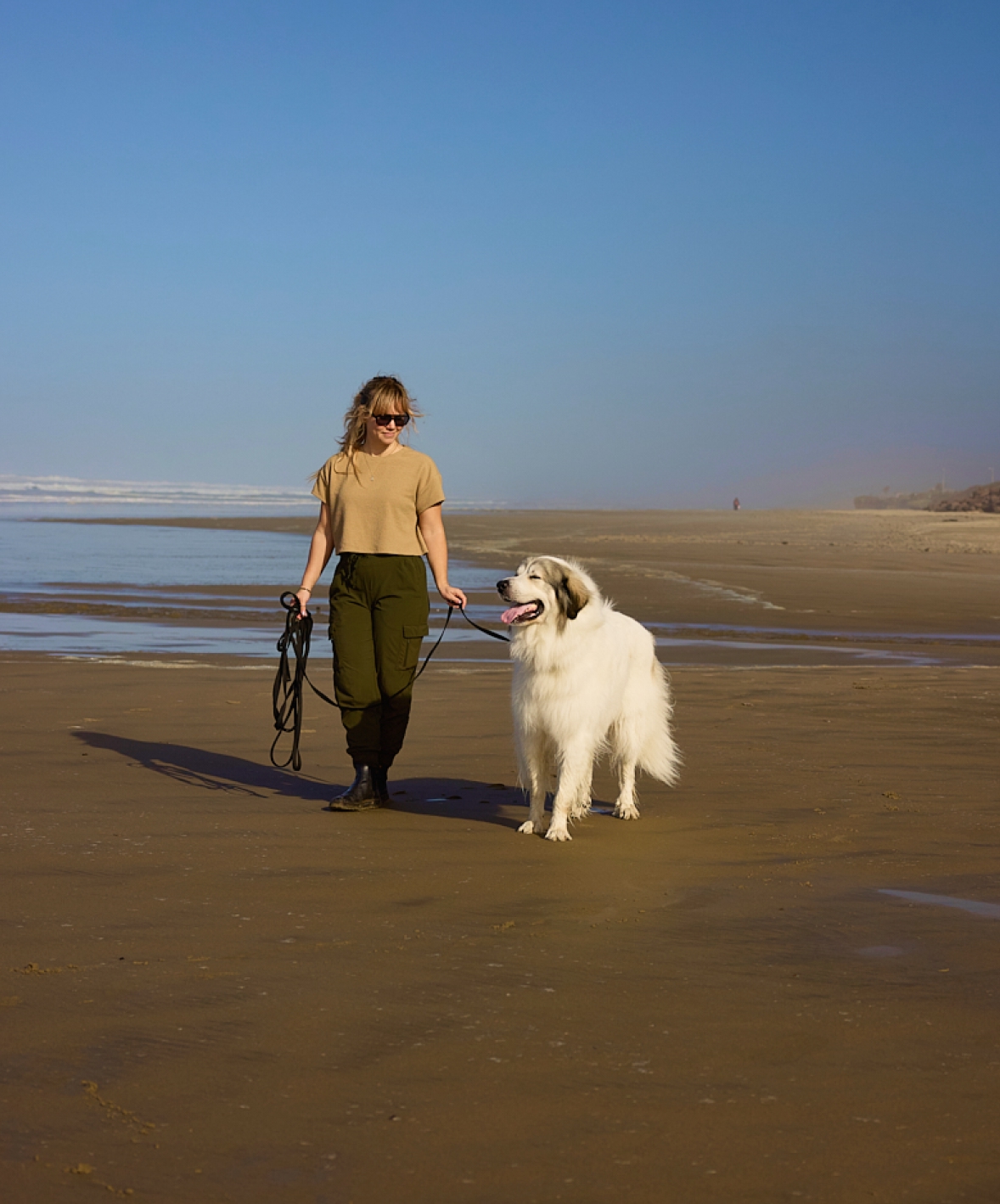
The sandy stretches along the Oregon Central Coast make Yachats a destination for those who want to roll up their sleeves to try clam digging. The pet-friendly Fireside Motel is right on this stretch of coast, and dogs are welcome to join you as you explore and go clamming. When the buckets are full, learn more about the trails, tide pools and viewpoints of nearby Cape Perpetua, a short drive south of Yachats.
Looking for a serene, pet-free retreat on your clamming getaway? Overleaf Lodge & Spa is right next door and offers oceanfront soaking tubs and a full-service spa to rejuvenate your senses after a day digging on the beach. Planning for a group or family clamming expedition? Overleaf Cottage Rentals offer more space with access to Overleaf Lodge & Spa amenities.
Check availability at The Fireside Motel.
FAMILY FUN